

Use a 3-part version number and a written migration note for every non-trivial release. Versioning a design system safely means treating How to Version…
How to Use Figma Variables for Colors, Spacing, and Modes
How to Use Figma Variables for Colors, Spacing, and Modes: Figma Variables for Colors, Spacing, and Modes let you control colors, spacing, and mode-based…
Figma Workflow Automation: The Complete Guide
Figma workflow automation helps teams save time on repetitive file cleanup, handoff, exports, and design system upkeep; for many teams, the first win is a…

How to Use Figma FigJam for Early UI Planning
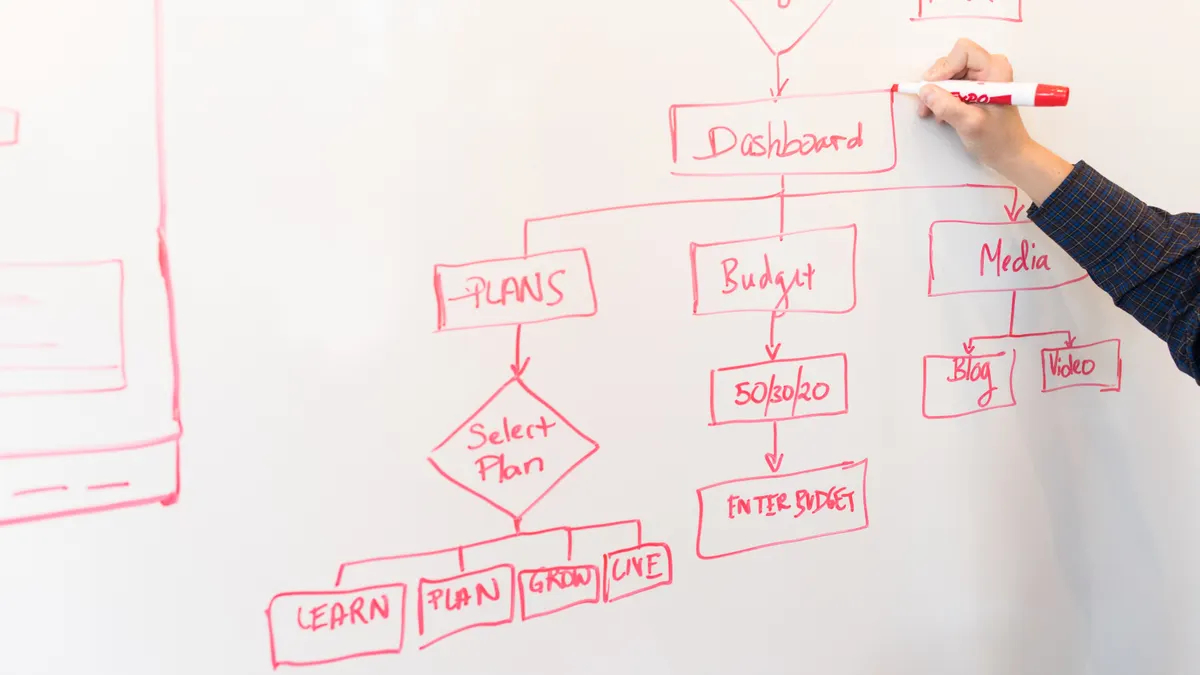
How to Use Figma FigJam for Early UI Planning: use Figma FigJam for Early UI Planning when you need one shared board to define the flow, users, and…
How to Run a Design System Contribution Process
A design system contribution process is the path from a contributor’s idea to a maintained pattern, component, or documentation update that the system can…

How to Prototype Interactive States in Figma Without Code
Figma prototyping is often a fast way to check whether a button, menu, or card state behaves the way a UI system needs it to, without writing code. This…
Figma Auto Layout for Responsive UI Components
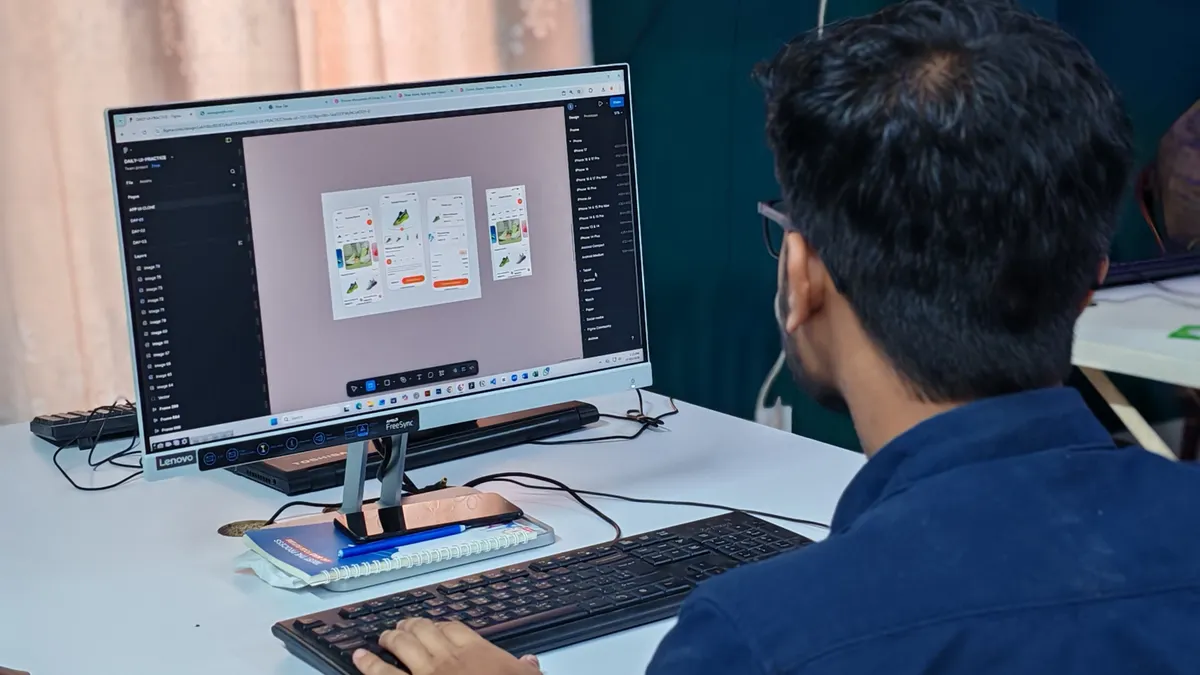
Figma Auto Layout for Responsive UI Components: A Practical Guide: Figma Auto Layout for Responsive UI Components is how you make UI pieces grow, shrink…
Figma Variants vs Components: When to Use Each One
Figma Variants vs Components: When to Use Each One: Use a plain component for one reusable building block, and use Figma Variants vs Components when the…
Design System Operations — The Complete Guide
Design system operations is the work that keeps a design system useful after the first Figma file, React component , or governance meeting, and in many…
Design System Governance: How to Keep UI Consistent
Design System Governance: How to Keep a UI System Consistent Over Time: design system governance keeps a shared UI system consistent by defining who can…