

3 core microinteraction types usually cover buttons, forms, and toggles: pressed/loading/success for buttons, inline validation for forms, and clear…

How to Design Loading Animations That Reduce Perceived Wait
Use the right loading animation for the wait type, and reserve space so the interface stays stable. Loading animations do not make a slow system fast, but…
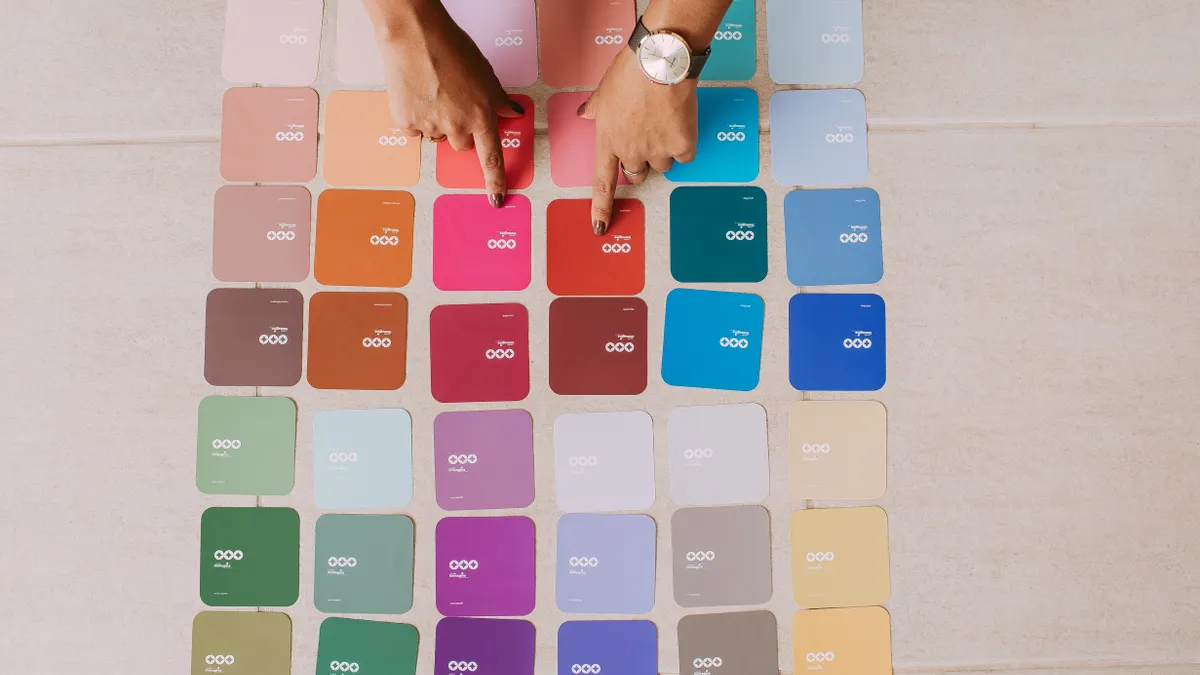
Tokens vs Variables in Figma
Tokens vs Variables in Figma: What to Use for Color, Spacing, and Modes: use variables for Figma implementation and tokens as the system of record; in…

What Makes a Design System Scalable for Multiple Products
What Makes a Design System Scalable for Multiple Products: A scalable design system for multiple products usually needs 3 layers : shared foundations…

How to Choose the First Components for a Design System
The first components for a design system should be the ones your team uses most often, causes the most inconsistency, and can specify with the least…

How to Design a Responsive Spacing and Grid System for UI Consistency
How to Design a Responsive Spacing and Grid System for UI Consistency: A responsive spacing and grid system usually works best with 3 to 5 breakpoints and…

How to Create Accessible Color States for Buttons, Links, and Inputs
Accessible color states usually hinge on at least 4 distinct cues—base, hover, focus, and status—so the interface tells people what is clickable, what is…

How to Create a Design System Launch Checklist
A design system launch checklist for a new project usually needs 15 to 30 items, covering foundation, components, documentation, handoff, and launch…
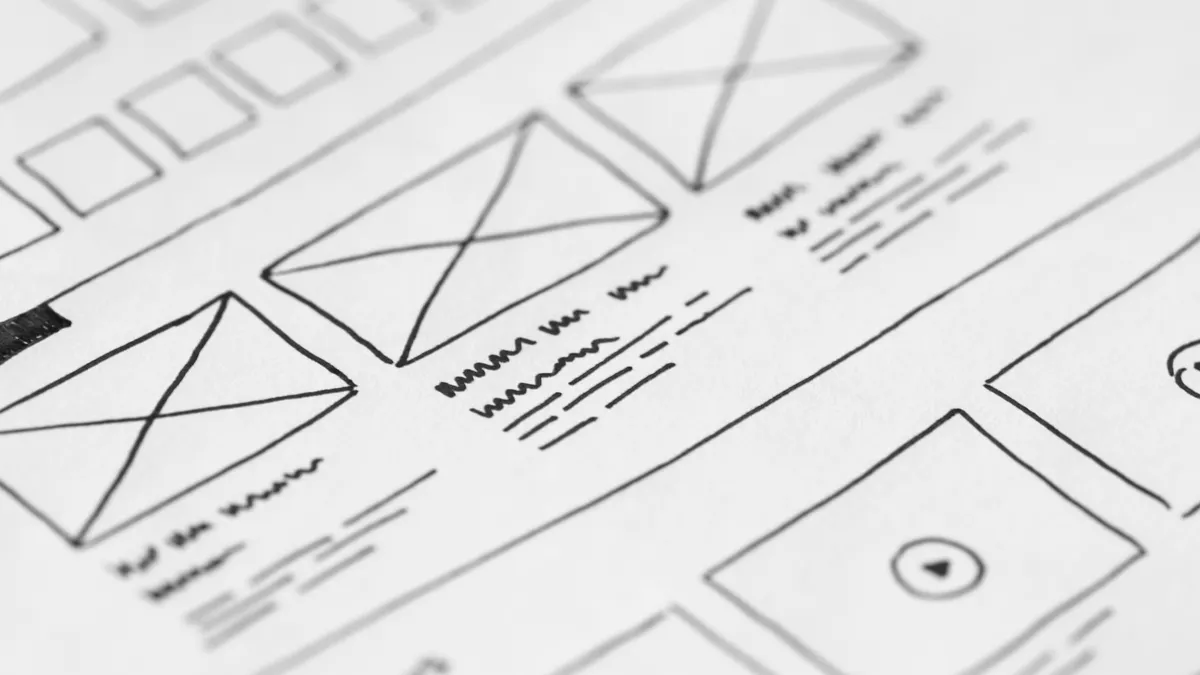
How to Audit a Design System for Inconsistencies
A design system audit usually starts with 1 fixed inventory and ends with 1 ranked cleanup list . It is a structured check for where components, tokens…

How to Organize Figma Files and Pages for Large UI Projects
How to Organize Figma Files and Pages for Large UI Projects is mostly about making a shared workspace legible when dozens of screens, multiple…